


Finally, expert neurology care at your fingertips
Neura Health is a comprehensive virtual neurology clinic. Meet with a neurology specialist via video appointment, and get treatment from home.

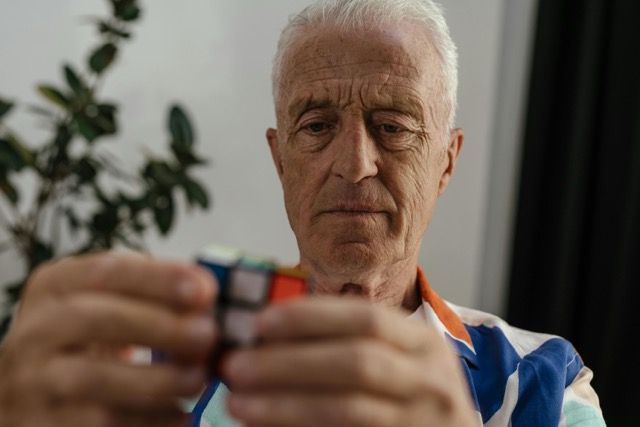
If you have noticed changes in memory in yourself (or a loved one), it can be a frightening experience. You may be anxious, confused, and worried about what these symptoms might mean. Many people deal with these concerns for a long time because they may not know how to take the first steps to find help.
To some degree, memory changes are a normal part of aging. However, certain patterns of cognitive decline can indicate an underlying condition and are worth getting evaluated for. Only a specialist can determine whether these changes are due to normal aging processes or are signs of early dementia.
Our quiz is designed to help you reflect on some of the key symptoms you may have noticed in yourself or a loved one. Although the quiz questions align with certain patterns that clinicians look for during their evaluation, the quiz itself is not a diagnostic tool. It does not replace a comprehensive evaluation with a specialist.
Online tests and quizzes can help you reflect on dementia symptoms you have noticed in yourself or someone you know. They can be especially useful if you are not sure on whether further evaluation is needed. However, they are not a substitute for seeing a specialist, as the tests are not able to diagnose you.
A formal diagnosis can only be made by a specialist, such as a neurologist. A full evaluation will include various work-ups like cognitive testing, bloodwork, and possibly lab imaging. An online quiz can help you organize your thoughts and communicate your concerns more clearly with your doctor.
Dementia is not a singular disease. It is an umbrella term that describes a set of conditions that affect the brain and cause a progressive decline in memory, thinking, and can affect your ability to perform daily tasks. For example it can make remembering appointments, holding a conversation, or interacting with loved ones more challenging.
The most common cause of dementia is Alzheimer’s disease. About 70-80% of dementia cases are caused by this condition.
Alzheimer’s disease is a progressive neurological condition where cells in the brain become damaged and affect areas of functioning. Memory is usually the first area that shows a decline, followed by other things such as cognition and daily functioning.
Because the condition develops rather slowly, some of its symptoms are subtle and can be mistaken for normal changes related to aging or even stress. For example, it can be hard to figure out whether frequently forgetting one’s appointments is due to Alzheimer’s or to a normal age-related decline in memory.
Mild cognitive impairment (MCI) is when there is a decline in memory that is more substantial than age-related changes, but does not meet the standards for dementia. With MCI, memory and cognition changes can still be bothersome enough to affect daily life. However, most people with MCI are still able to live independently without significant difficulty.
In some cases, mild cognitive impairment could also be caused by reversible factors such as sleep apnea, depression, or mental burnout. But, MCI most typically occurs at the beginning stages of a neurodegenerative condition.
Dementia with Lewy bodies (DLB), as the name implies, is characterized by protein deposits, called Lewy bodies, that build up inside nerve cells in the brain. This can cause symptoms like fluctuating alertness and attention, recurrent visual hallucinations, and movement problems (such as rest tremors or rigid movements).
Many of these symptoms can also be found in Parkinson’s disease, which can have a similar presentation. Problems with cognition and behavior tend to occur before movement issues with DLB. An evaluation with a specialist can determine whether these symptoms are caused by DLB or other neurodegenerative conditions like Alzheimer’s disease.
Frontotemporal dementia (FTD) affects areas of the brain that control important functions such as language, thinking, and behavior. This happens due to shrinkage in the temporal and frontal lobes of the brain. It is the second most common form of dementia in people younger than 65 and the third most common in people 65 and older.
Unlike with Alzheimer's disease, FTD usually first presents with personality and behavioral changes, instead of starting with memory loss. Because of this, FTD can often be misdiagnosed in the beginning as a psychiatric problem, rather than a neurodegenerative disorder.
With vascular cognitive impairment, damage to the brain occurs as the result of a stroke or other vascular disease. In a stroke, damage occurs due a lack of blood supply to a part of the brain, which can cause symptoms relating to the particular region affected.
In contrast with Alzheimer's disease, vascular cognitive impairment tends to cause problems with how fast the brain processes information and overall executive function (which is the ability to plan, organize, and manage tasks), before it starts to really affect memory.
Health conditions such as high cholesterol, high blood pressure, or diabetes are considered vascular risk factors for developing this type of dementia. As a result, it is essential to manage and closely monitor these conditions with a physician as directed.
It is important to note that each particular item on this list might have several other causes. One or two symptoms by themselves (such as occasionally forgetting dates or names) do not suggest dementia. However, it becomes more significant when you notice a pattern of changes over multiple areas, especially if these changes are frequent and start impacting daily life.
Here are some examples of changes you might notice with early cognitive decline:
There is no single test that can diagnose dementia. The only way to find out if you or a loved one has dementia is to get a comprehensive evaluation by a specialist. By performing cognitive testing, clinical interviews, blood testing, and lab imaging, a specialist can formally diagnose dementia based on the results.
Neurologists and memory specialists are also able to evaluate areas of functioning such as cognition, memory, attention, language, and executive function. The results of the evaluation can help them determine what condition could be causing the symptoms.
If your quiz results concern you, it is important to take the next step, which is getting in touch with a specialist for an evaluation.
The quiz is designed to group certain symptoms together based on patterns. This is done to help you reflect on which changes could suggest that an evaluation for dementia is needed.
Even if the quiz results are concerning, it does not mean that you or a loved one are diagnosed with or confirmed to have dementia. It just means that it would be worthwhile to take the first step in getting evaluated with a specialist in order to get the answers and care you are looking for.
No matter how mild, any memory or cognitive changes that you notice in yourself or a loved one are worth getting checked out for. Especially, if they are persistent, noticeable, or start to make daily activities difficult.
Some of these things that you may have noticed and be concerned about include:
If you have noticed any of these things, reaching out for help can seem overwhelming. But, taking the first step in finding care is so important. Early evaluation matters and can open up more options for treatment and management that may not be as helpful if the condition were to be diagnosed at a later stage.
Neura’s Memory Care team is made up of board-certified neurologists who specialize in dementia. With convenient access through telehealth, you can get started today to have your memory and cognitive concerns addressed and evaluated. All from the comfort of your own home.
The content on this site is for informational purposes only and does not constitute medical advice, diagnosis, or treatment. SIgn up for the Neura app to get connected with a specialist.
References


Neura Health is a comprehensive virtual neurology clinic. Meet with a neurology specialist via video appointment, and get treatment from home.
.png)

.svg)

.png)
.png)
.png)
