


Finally, expert neurology care at your fingertips
Neura Health is a comprehensive virtual neurology clinic. Meet with a neurology specialist via video appointment, and get treatment from home.

.png)
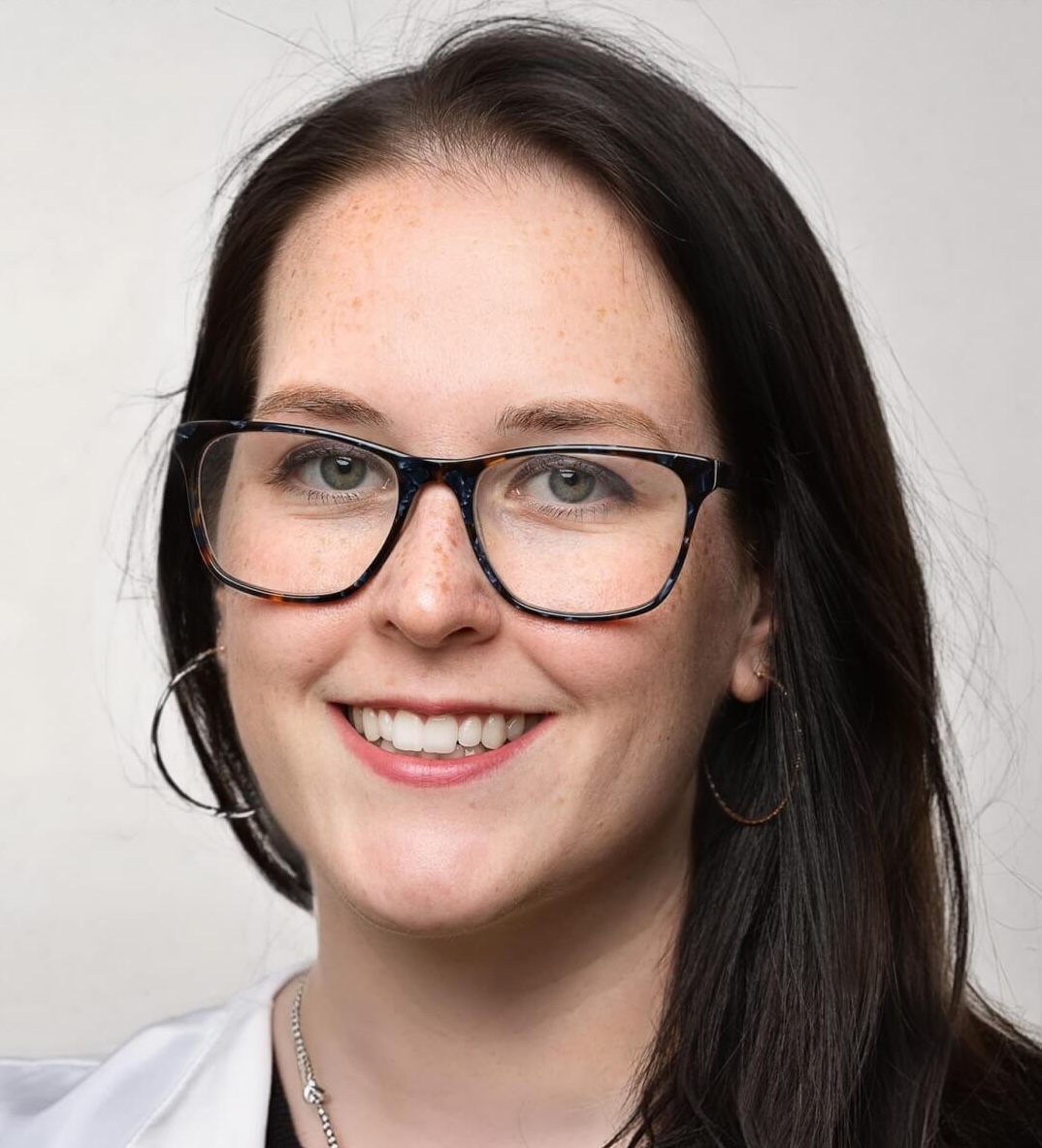
Book a video appointment with April Ridenhour, PA today.
At Neura Health, we offer expert neurological care for all our patients, supporting them throughout their health journey. We're happy to introduce April Ridenhour, PA-C. April is a highly experienced Physician Assistant who has dedicated the past eight years to general neurology care. Committed to a patient-first approach, April is deeply passionate about providing a compassionate listening ear, tailoring care to each individual's unique goals, and ensuring her patients have a powerful voice in their own medical journeys.
I am a PA, a physician assistant. I have been in neurology for eight years now, doing general neurology, mostly adults. Here and there, I'll see some pediatrics.
Before that, I was an EMT—a little emergency, with outpatient clinical as well.
I was always fascinated by how the body works. It's just mind-blowing how all of these systems and connections just all talk to each other and have these different symptoms, and just function day-to-day on their own.
When I was an EMT, my favorite patients were the dementia patients. I kind of grew attached to them, and loved having them. I would always be the one to take the call if we had a dementia patient, and just kind of connect with them.
So when I went to PA school, I really wanted to go into neurology and focus on, like, dementia care, memory care, and just give people a voice.
Empathy is putting yourself in the patient's shoes—in the other person's shoes—trying to see, like, how they're feeling. And it ties into compassion, so you can help how you would want to be treated with it.
I just like to picture myself going through their situation and what I would want to receive on their end, and how to help them in that way, and try to connect better with that.
I do have a passion for the dementia patients. I also have a passion with M.S., multiple sclerosis. Those patients, I was terrified at first when I was getting out of school of them. Um, it's a big, scary word.
And I feel like a lot of people see that diagnosis and just automatically get afraid and back up and be like, "That's not for me." So I dove into it a little bit deeper to learn for myself so that I could be a resource for those patients, and I fell in love with M.S.
Those are some of my favorite patients as well, and everybody with M.S. is so different, and the care is so different, and it's more catered to that person and just giving them that voice that they need, because I feel like it's lacking with M.S. care.
I try to meet the patient where they're at, try to build that rapport at first. How much do they need from me? What kind of care do they need from me?
I don't like to go in and just do the same thing with every patient because not everybody's going to be receptive that way. Some people need a little more guidance, so they need to kind of run their care. Others like to be told how—what they want their care to be.
So I try to feel that out, try to build that relationship, make them feel comfortable when they're with me. I do want them to open up and be able to tell me what's going on so I can help them better.
I think patients need the most that listening ear. If we're not listening to them, we can't help them the way they need. We can't meet their expectations and their goals and their— what they want to see on their outlook for that.
So I think it's very important to listen to them and truly hear them, so that we can be their voice in medicine.
Patient-first care, literally the patient is first. Are we meeting them where they need to be? What do we need to change to help treat their symptoms? What are we doing that's not with their expectations?
We're ultimately here to help them. So what do we need to do to help them? How do we get there?
I do have a chronic condition. I have migraines myself. I have suffered with them since I was a child. I had no idea what they were because I didn't have the head pain, I had all the other symptoms with it. So I thought it was just normal.
And I finally realized in my adulthood they are actual migraines, so I do suffer with that. I right now—I am on Botox as the preventative. I have tried several medications before, and they worked, but they had awful side effects. I have gone through the gamut of medications and the side effects, and it affected my quality of life. It affected my job, it affected me with my family. I couldn't function with the side effects alone. The migraines were great, but now I have this other issue.
So I do the Botox, but I do have some lifestyle changes. I focus on that good, quality sleep, because I know if I sleep terrible, I'm going to have a migraine the next day. I do watch the weather. A lot of mine are weather-triggered, so I'll kind of prepare. I have focused on different foods and noticed, like, kind of triggers with the foods and try to decrease that.
So I'm passionate about the National Society of M.S. as an advocacy group. I think the information they provide is invaluable. I use it quite frequently with patients who need extra resources. It helps them connect with people in their community going through different things, more than just what we can do in the office. It gives them more help in their day-to-day.
And I think patient advocacy is a huge benefit for patients because they can connect with other people who are going through the same things. There's another voice fighting for them out there, helping them get resources, access to different care, if they need any different equipment, or any, like, tips to help with their chronic conditions.
It helps give that extra, like, boost for their care. Almost like a glow of confidence—"I'm not alone in this." It gives them an outreach to talk to somebody.



Neura Health is a comprehensive virtual neurology clinic. Meet with a neurology specialist via video appointment, and get treatment from home.
.png)

.svg)

.png)
.png)
.png)
