


Finally, expert neurology care at your fingertips
Neura Health is a comprehensive virtual neurology clinic. Meet with a neurology specialist via video appointment, and get treatment from home.

.png)
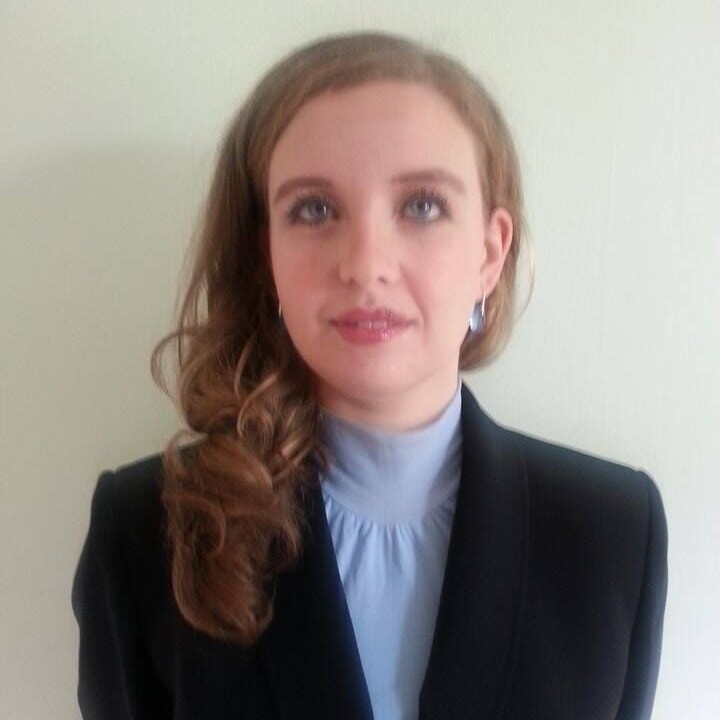
Neura members can now book video appointments with Natalia Danelich, MSN, CRNP, FNP-C
If you are not a member yet and would like to book an appointment, start your Neura trial membership today!
At Neura Health, we're proud to introduce Natalia Danelich, a Neurology Nurse Practitioner specializing in headache medicine with 8 years of experience. Her background includes collaborating with multidisciplinary teams to provide personalized, effective treatments for patients with headaches and neurological disorders, utilizing pharmacological management, behavioral therapy, and lifestyle adjustments. She is committed to delivering compassionate, patient-centered neurological care, ensuring each person feels heard, supported, and empowered throughout their health journey. Outside of work, Natalia enjoys cooking Eastern European dishes, traveling, interior design, and spending quality time with her husband and young children.
Video Transcript:
What is your professional background?
My clinical and medical background is that of a lead neurology nurse practitioner working with 12 nurse practitioners in a large academic medical center. I’ve been in clinical practice, specifically in headache medicine, for 8.5 years. And I love getting referrals and treating the most refractory headache patients across the nation. I treat migraine, post-concussive syndrome, vestibular migraine, menstrual migraine, and cluster headache, a full spectrum of any sort of headache condition.
How do you define empathy and compassion in healthcare?
I once heard a quote by Confucius, which was: “A healthy man wants a thousand things, but a sick man only wants one.” And so my definition of empathy is focusing on that one thing for that patient, listening to them, becoming their advocate, partnering with them, and going through the journey of treatment modalities to get them to a better place where they can enjoy their quality of life.
What is your special interest within your specific field?
I would say my special interests within headache medicine are varied. I have a passion for menstrual migraine and also really like treating post-concussive syndrome. Obviously, a lot of migraine patients as well as cluster headaches because they are one of the most debilitating headache types and are also known as suicide headaches. So my passion is really in treating patients, especially the most refractory cases. And I'm really interested in a wide spectrum of headache disorders.
What is your approach to treating patients?
My approach to treating patients is that of not so much like a clinical provider that tells patients what to do, because I do feel that a patient knows how they feel and what works and what doesn't work. And I feel that when they're seeking concierge medicine or specialty medicine, validation is the first step because some patients have previous traumas of physicians or providers not believing them.
So the first one would be validation, and the next would be partnership, working together as a team to go through every step of treatment and see if it works, and if it doesn't, and there's no end game other than a better quality of life.
What does patient-first care mean to you?
Patient-first care matters to me because I feel like the patient lives their life with this condition, and every experience is a data point. And in order to get the best treatment plan, a migraine is not a migraine for every single patient, and treatments are as variable as our responses, so I feel you can only get to the best treatment plan and get the best quality of life, be the best clinician advocate for your patient if you prioritize their feelings and their experiences.
Do you have a chronic condition or does someone close to you have a chronic condition?
No, I actually don't have a chronic condition, and I fell into this field just because of a love of math and science and learning how the brain works. Itt's been a fascinating journey from studying that to seeing it in practice. I think my compassion, mostly for this patient population, is not specific to migraine or headache medicine.
It's just being a patient myself and having a multitude of family members suffer from various chronic conditions, and seeing how the approach of the clinician really makes a difference.
What do you wish more people understood about recovery after a concussion?
I wish more people understood that recovery after a concussion takes time and that there may be some after-effects that may require treatment. And just because one person responds to a concussion in one manner does not mean that the next concussion you experience, you'll get the same outcome or that you will get the same outcome of treatment or no treatment as, you know, someone you know who experienced a concussion.
When does a "regular headache" become something that deserves neurological evaluation?
According to the definition of, for instance, chronic migraine, we look at treatment modalities and being preventive after patients have experienced four or more days per month. But I believe that it's not so numeric. Any headache needs to be evaluated by a medical professional with a background in headache or, in the very least, managing neurological care.
After it impacts your quality of life, the sooner you are evaluated, the better the outcome, because you can prevent something from going from episodic to chronic and having more long-lasting impacts on your quality of life.
What makes migraine different from other types of headaches, and why does that distinction matter for treatment?
Migraine is a neurological disease, and it has a lot of factors in play, as I've seen in treating patients, whether it be genetic or pathophysiologic, and treating it as such eliminates stigma that patients might receive in trying to seek proper care, and it gets them the right treatments, it gets them that treatment earlier on so that it doesn't progress into something that is refractory.
Why is advocacy important in healthcare?
The most important thing in my partnership with patients is advocacy. I want patients to be comfortable telling me what they feel so that we can create the best treatment plan. And I hope that they can advocate for their own health, and that once we develop a relationship, I can advocate for their health so that we can work together to eliminate hopelessness in a lot of patients who have not felt trust in the healthcare system before now.



Neura Health is a comprehensive virtual neurology clinic. Meet with a neurology specialist via video appointment, and get treatment from home.
.png)

.svg)

.png)
.png)
.png)
