


Finally, expert neurology care at your fingertips
Neura Health is a comprehensive virtual neurology clinic. Meet with a neurology specialist via video appointment, and get treatment from home.

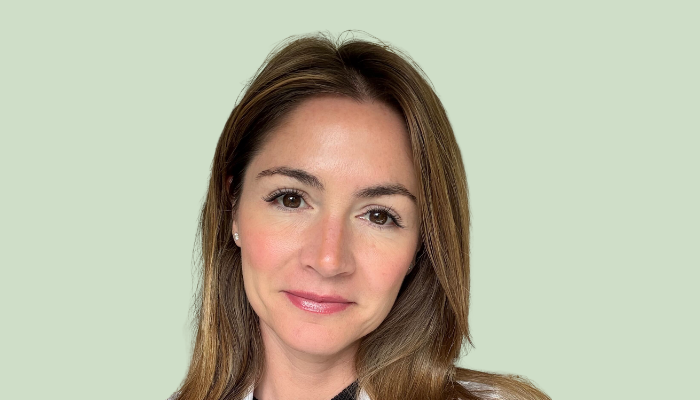
Neura members can now hold video appointments with Dr. Kathleen Mullin. If you'd like to book an appointment, start your Neura trial membership today!
Experience: Board-certified neurologist with specialized fellowship training in headache medicine
Approach: Patient-first care centered on deep listening and genuine empathy
Specialty: Headache medicine and migraine treatment
At Neura Health, we know that living with chronic headache and migraine can be isolating and debilitating. That's why we're happy to introduce Dr. Kathleen Mullin, a board-certified neurologist and headache medicine doctor who brings both exceptional training and genuine compassion to every patient interaction.
Dr. Mullin completed all her training in New York: Medical school at NYU, neurology residency at Columbia Presbyterian, and a specialized fellowship in Headache Medicine at the prestigious Montefiore Headache Center. She's applied her expertise at the Mount Sinai School of Medicine Headache Center and understands that great care starts with one simple but powerful act: listening.
Despite the stereotype that New Yorkers are too busy to care, Dr. Mullin experienced the opposite during her training. The physicians she learned from always had time for their patients, no matter how hectic their day. That lesson stuck with her: showing passion and compassion begins with being a good listener.
Dr. Mullin has developed a distinctive philosophy about empathy in healthcare. Rather than simply imagining yourself in a patient's shoes, she believes in thinking about someone you love in that situation, such as your sister, your best friend, or your mom.
"To me, that pulls a more genuine empathy as a provider than trying to imagine your own self in someone else's shoes," she explains. "Everyone wants to be treated like your best friend, like your mom, like your sister."
This approach transforms every patient visit into something personal and meaningful. When you see Dr. Mullin, you're not just another appointment; you're someone she truly cares about, with your best interests at heart.
One aspect that sets Dr. Mullin apart is her focus on what happens between your headache episodes, the interictal period. While most neurologists and even some headache specialists overlook this period between two migraine attacks, Dr. Mullin is aware of how this can impact someone’s quality of life.
Even on headache-free or attack-free days, many patients can still have very real & understandable anxiety about when the next attack will strike; they can worry about whether medications will work, be concerned about being somewhere they can't access a dark, quiet space. This constant state of vigilance can be exhausting.
"The more headache-free days you get, the more confident you get in that freedom and the less that interictal burden can be," Dr. Mullin shares. By addressing not just your headache days but also the anxiety and stress between attacks and headache days, she helps you reclaim your entire life, not just the moments when you're pain-free.
Dr. Mullin's approach to patient care is refreshingly straightforward: she gives you space. Space to share your thoughts without rushing. Freedom to be yourself. The comfort to be honest about habits or triggers that might be making your headache worse, even if you feel embarrassed about them.
She believes telehealth is particularly powerful for headache patients because it creates an open platform where you can share everything without the constraints of a traditional office setting. And because headache diagnosis relies heavily on understanding your signs and symptoms rather than imaging or lab tests, this conversational approach is both effective and essential.
"Tell me how you're feeling, what you're experiencing, and odds are I can give you a diagnosis," she explains.
Dr. Mullin firmly believes that if you're not putting the patient first, you shouldn't be in healthcare at all. While she's well-versed in the standard treatments and evidence-based protocols, she never applies them blindly.
Instead, she looks at you as an individual. Perhaps you're a new mom who needs to stay sharp at night and can't risk medications that affect your sleep. Maybe you're worried about weight gain from certain medications. Maybe you’re worried about how a medication will affect a comorbidity, like gastroparesis. Whatever your concerns and priorities, Dr. Mullin weighs them against the proven treatments to find the best solution for your unique situation.
"It's your health, it's your body at the end of the day," she emphasizes. Treatment decisions are made together, as a partnership.
There's a saying in the headache field that captures this perfectly: "You've seen one migraine patient, you've seen one migraine patient." Every patient is individual, and Dr. Mullin takes all of that uniqueness into consideration when developing your personalized treatment strategy.
Dr. Mullin believes in how powerful self-advocacy can be, she also encourages her patients to take an active role as advocates. As a primary headache disorder, migraine often is invisible. And because migraine is so stigmatized, migraine patients are often forced to mask their symptoms and discomfort, which gives the impression that migraine is not a big deal (when we all know it’s the second leading cause of global disability). This leads to more confusion about what migraine is and how disabling and debilitating migraine can be.
This is why Dr Mullin believes that when patients with migraine come together and share their experiences, it creates powerful change. When a community says “us also”, it becomes impossible to ignore, even for doctors who might otherwise dismiss invisible conditions. This collective voice drives research funding, increases awareness among healthcare providers, and helps family and friends better understand what you're going through.
"We might not have a test to prove it, but boy, do we all suffer from it," she says, capturing the reality of living with migraine disease. And it’s why so many of our providers prescribe advocacy to their patients–it creates a foundation for community, connection, and empowerment, while contributing to the overall migraine advocacy movement.
If you're looking for a headache specialist who listens deeply and treats you as a whole person, Dr. Mullin is now accepting virtual appointments through Neura Health.
Dr. Mullin treats:
You don't even have to leave your home to see her! Schedule a Zoom appointment where she'll give you the time and space to share your full story, help you understand what's happening, and develop a personalized treatment plan that fits your life and priorities.
Take control of your headache health today. Book an appointment with Dr. Mullin to receive compassionate, evidence-based care from a specialist who truly listens.
Book a visit today and discover how she can help you reduce your headache burden and reclaim the time between episodes with expertise and genuine empathy.
Video Transcript:
What is your professional background?
I'm a neurologist by training, and then I did an additional fellowship year in headache medicine. So I'm a headache medicine doctor. I did all my training in New York. I am a New Yorker, tried and true. New Yorkers sometimes get what I consider false impression of being tough, not having time. But I did training, medical school, residency, and fellowship throughout major academic hospitals in New York, and had the pleasure of seeing New Yorkers be completely the opposite. The physicians whom I trained under had all the time in the world for their patients. They put their patients first. No matter how busy the clinic day was or how much they had going on at home, they listened. And to me, that's the biggest thing that you can do to show passion and compassion: be a good listener.
What’s your approach to treating patients?
When people talk about empathy, you're told to think about, well, picture yourself in their shoes. But I actually find, as an adult, it's sort of hard to use your imagination that way. You know what conditions you have and don't have. What I like to do is think about someone that you love in those shoes. Think about how you're treating your sister, your best friend, your mom. To me, that pulls a more genuine empathy as a provider than trying to imagine your own self in someone else's shoes.
Everyone wants to be treated like your best friend, like your mom, like your sister. So if you think about every patient as someone that you truly care about and really have their utmost best interest in mind, it's amazing how much empathy you can find.
What is your special interest within your specific field?
An area that I really dive deeply into with my headache patients at our visits is the interictal period. And it's not something that most neurologists talk about, and even sometimes headache doctors don't necessarily talk about it. The interictal period is, it's the time between events. And it really doesn't matter how large your headache burden is. There will be days off, sometimes just one, hopefully more than that, where you're headache-free.
But in that time, so many patients are still symptomatic. They're anxious about their next headache. They're worried about whether their medication is gonna work acutely, if they're gonna be in a place where they can be comfortable, shut the lights off, perhaps lie down. So even on your headache-free days, that interictal burden is heavy. And that's what I talk to my patients about, right? And the more headache-free days you get, the more confident you get in that freedom and the less that interictal burden can be.
What’s your approach to treating patients?
I’d say my approach to patient care is pretty simple. I give them space. I give them time to share their thoughts. I give them the space to be themselves, the freedom to be honest if they're doing something that's maybe making their headache worse, or that they feel embarrassed or nervous about saying out loud. I think telehealth is an amazing situation for headache patients because they really have this open platform to just say everything, and we have the ability to just sit back and listen. So much of my in-person patient care was spent listening anyway. Headache is really all about signs and symptoms. So you tell me how you're feeling, what you're experiencing, and odds are I can give you a diagnosis.
What is your POV on patient-first care?
I think that patient-first care matters immensely. If you're not doing this to put the patient first, then you really shouldn't be doing it at all, to be perfectly honest. You know, there are standards, right? There are medications, there are studies that have shown that X, Y, and Z work, and they're the standard of care. But you have got to look at the patient in front of you and say, “This has been proven to be the best.”
But you have this, or you express to me that you feel this way, right? Let's say you don't want to gain weight or you don't wanna impact your sleep because you're a new mom and you want to be sharp at night. For whatever reason, you have to take what the patient's priorities and concerns are and weigh those against the evidence-based medicine that you know to be true and decide together as a partnership because it's your health, it's your body at the end of the day, what's best for the patient. And there's always middle ground there, right? You're going to use something that you know works and take the patient's thoughts and worries into mind and find the best solution, the best strategy of care for that patient. And every patient is unique. So there's a saying in the headache field, you've seen one migraine patient, you've seen one migraine patient, because every single patient comes from a different place. And you have to take all of that into consideration when you come up with your treatment strategy and plan.
Why is advocacy important in healthcare?
Well, across all disease states, patient advocacy is obviously imperative, right? The more we get out there with whatever the condition is, the more ears and eyes that we have on it, the more research gets done, the more doctors are aware of it in places maybe they don't see it as often, the more family and friends can sympathize with it, the better. I think for diseases like migraine and headache, it's crucial because you could look, if you're a really good actor, or took enough medications to sort of make it go away, perfectly fine. But you could be terribly uncomfortable and suffering on the inside. But if there's a support group, if there's patients that get together and say, I have X, Y, and Z, and they all band together and say, me too, me too, then family, friends, maybe some doctors who don't want to listen to you, they have to listen to you when you've got that advocacy and that support, even if they can't see it, right? It can all be wrong. So it is so important for those quiet, silent diseases that don't have a blood marker or finding an MRI to get together and say, we might not have a test to prove it, but boy, do we all suffer from it.


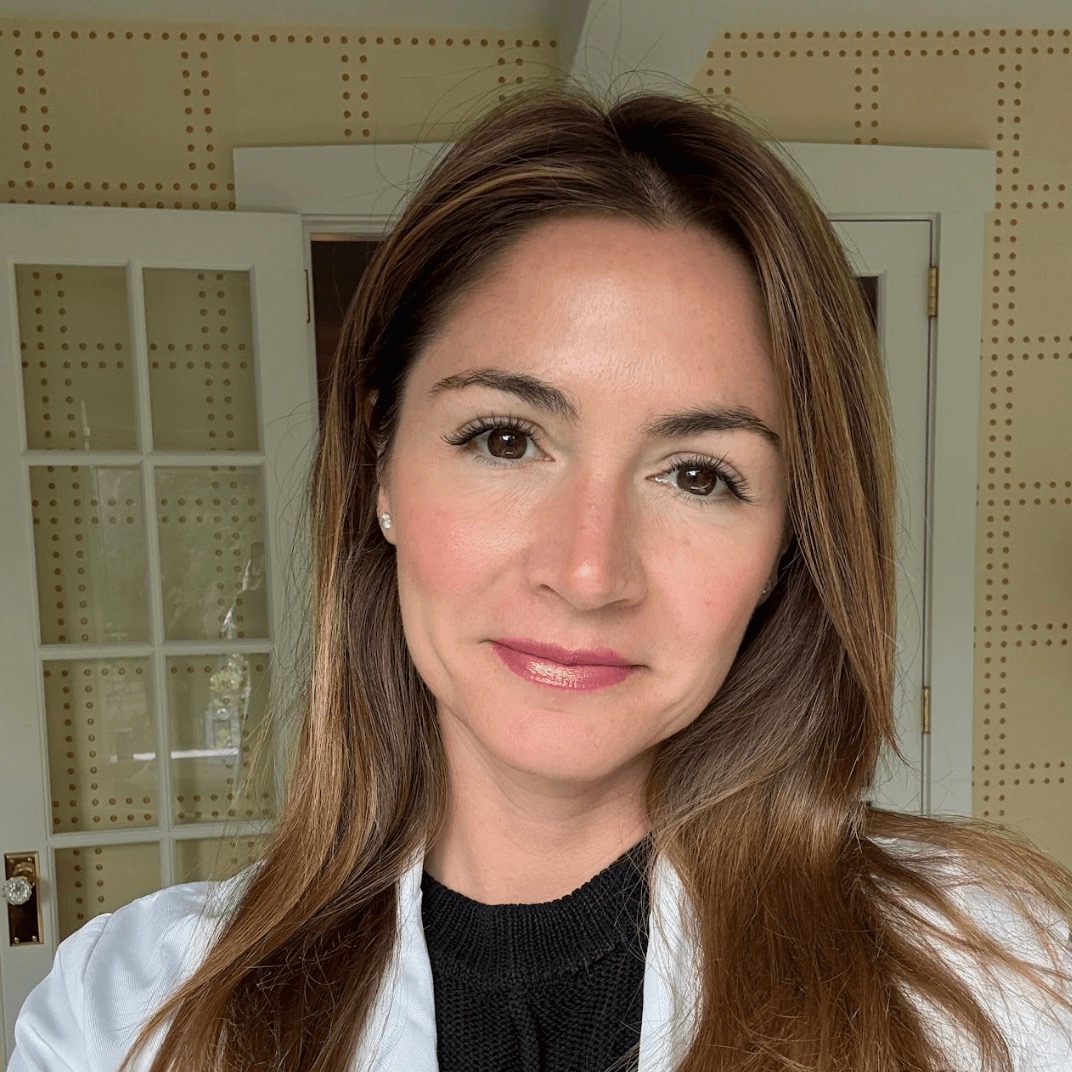

Neura Health is a comprehensive virtual neurology clinic. Meet with a neurology specialist via video appointment, and get treatment from home.
.png)

.svg)

.png)
.png)
.png)
