


Finally, expert neurology care at your fingertips
Neura Health is a comprehensive virtual neurology clinic. Meet with a neurology specialist via video appointment, and get treatment from home.

.png)
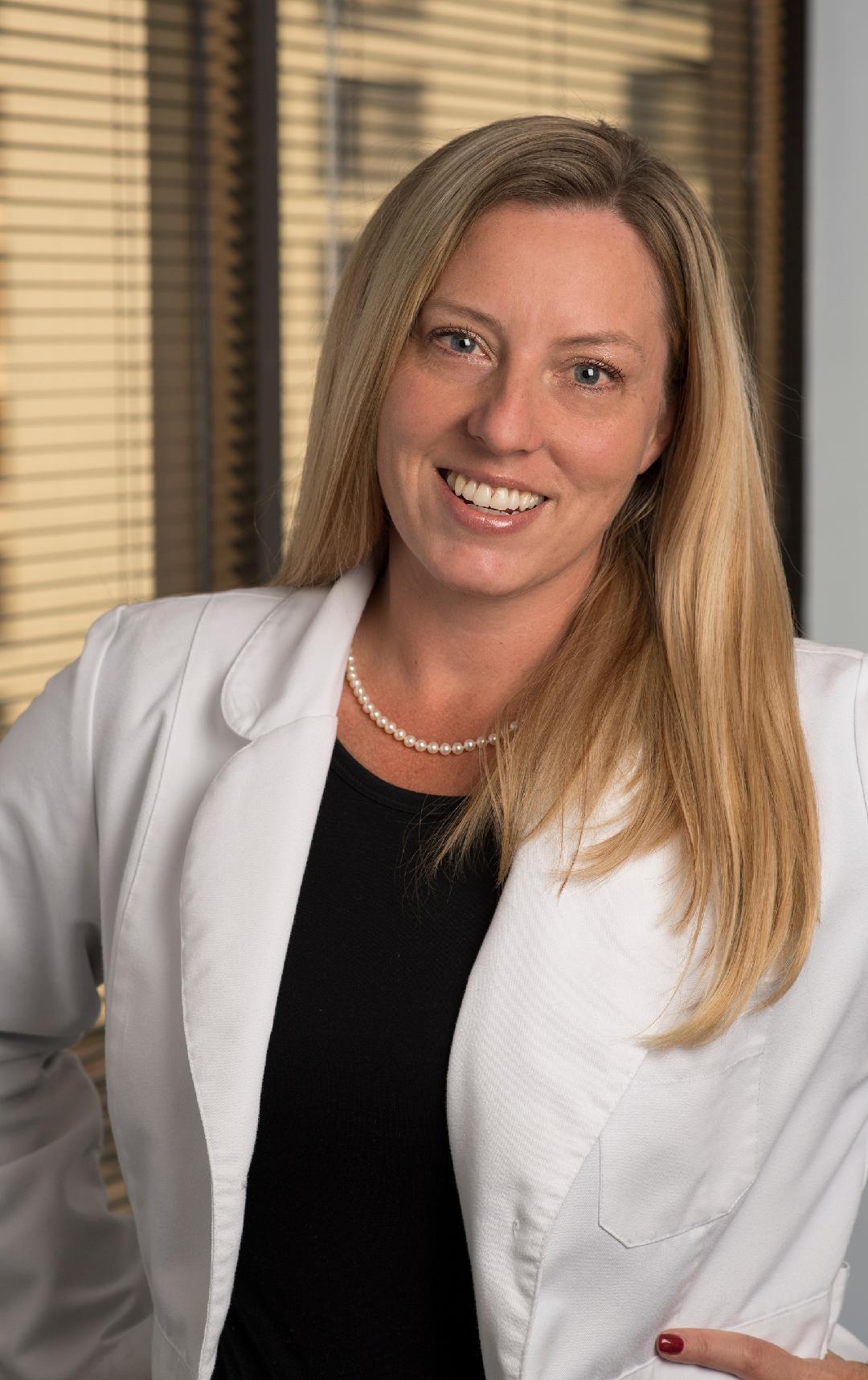
Neura members can now book video appointments with Tressie Brooks, NP
If you are not a member yet and would like to book an appointment, start your Neura trial membership today!
We’re proud to welcome Tressie Brooks, NP, a dedicated Nurse Practitioner with over 7 years of experience in Sleep Medicine. Tressie specializes in diagnosing and treating a wide range of sleep conditions, including sleep apnea, insomnia, excessive daytime sleepiness, narcolepsy, circadian rhythm disorders, shift work disorder, restless leg syndrome, and REM behavior disorder.
Tressie takes a compassionate, patient-centered approach to care and believes it is a true privilege to be entrusted with her patients’ health. She is committed to helping individuals improve their sleep and overall well-being, ensuring each patient feels supported throughout their care journey.
Video Transcript:
Hello everyone, my name is Tressie Brooks. I'm a nurse practitioner.
What is your professional background?
As far as my medical background, I started as a nurse in 2004. I've had a long history of different areas of medicine, but in 2011, I became a nurse practitioner.
Actually started out in the ICU, but then I transitioned over into pulmonary sleep in 2017, and I fell in love with sleep medicine. So that's where I've been.
How do you define empathy and compassion in healthcare?
As far as the definition of empathy for patients, it's always trying to put yourself in their shoes and be treated the way that you would like to be treated, or your loved ones, how you would want them to be treated. I think every day there's inspiration in healthcare, you start out like me, you start out in the ICU, thinking that you're gonna save everyone, and sometimes it's more than just saving patients. Sometimes it's helping them find dignity
in their disease process. Whether it's end of life or dealing with cancer, or in my case, now I'm primarily doing sleep medicine. So helping patients, trying to get the best sleep that they can,
treating their other underlying sleep conditions, because it's all connected in one way or another.
What is your special interest within your specific field?
So, for me in sleep medicine, one of my favorite things to treat is a condition called narcolepsy, or even idiopathic hypersomnia. Often this is a condition that starts younger in life, early as teenage years, early 20s, and it often gets misdiagnosed as depression
because the primary symptoms are extreme sleepiness. So profound that sometimes you're unable to have a normal functioning life, per se, as far as being able to be productive and carry on a typical job without certain accommodations. So for me, I love to be able to help diagnose these patients earlier on cause it helps set them up for success. And oftentimes, prevents them from being on lots of unnecessary medications for other conditions that they were misdiagnosed with. And then, kind of a staple of sleep medicine is going to be the array of insomnias and sleep apnea. Anything that helps improve patient sleep, that helps them the way they feel the next day, and their productivity, and their overall life.
How they feel and how they feel is portrayed in their work life, their family life. If you're not sleeping well, whether it's from sleep apnea or if it's from insomnia or if you're so tired during the day because of narcolepsy, it's gonna make it difficult to want to work out, be happy, and take care of yourself. And then if you have children or family members you care for, it makes it difficult to take care of them. So it's a cycle. You need good sleep to have a good functioning day.
What do you think patients need the most?
I think for patients, it's being heard and being listened to, making sure that they find a provider that they feel they can connect to, and who generally cares about their overall health. So for me, one of the most important things is developing the patient-provider relationship.
We get a lot of time with our patients for their first visits, up to an hour, just to listen to everything that's led them to us, and not going into these meetings with any misconceived perceptions. Just looking at data and paperwork, so always being able to look at you know, speaking to the patient, putting what the patient is telling us with what we can see from a tangible paper standpoint, and then putting it all together and creating a plan with the patient. And not necessarily me telling a patient what they need to do, but showing them what options are available, and letting them make the decisions and guide them on their treatment.
Which chronic conditions do you treat?
Well narcolepsy and idiopathic hypersomnia are lifelong conditions; there's no cure for them. It's symptom management through medications. Insomnia can be acute or chronic. Hopefully, the goal is that we get you through the acute phase and help with learning sleep hygiene and certain techniques, and whether it's working with someone with cognitive behavioral therapy, learning the non-pharmacological treatment options. Also offering pharmacological treatment options.
Insomnia can be chronic. So sometimes we do have to treat it for years. Sleep apnea often is a chronic condition. Once you're diagnosed, most patients end up staying on treatment unless they lose a significant amount of weight and the apnea goes away. Or they go through some type of surgery to correct but for most patients, it tends to be a chronic condition that's treated with either CPAP, BiPAP, sometimes implantable devices, inspire therapy, or oral appliances for mild sleep apnea. And there are some newer alternative options that are coming on the market, like excite eXciteOSA to treat mild apnea. So in the sleep world, oftentimes these conditions can be chronic, and some of them can just be episodic or acute in nature.
When should someone see a sleep specialist?
Certainly, if it goes on for a period of time, to where you feel like your daytime productivity or the way you feel is being affected. Everyone will have a bad night here or there, but when it's starting to become a pattern, and it's affecting the way you feel overall, then I would suggest seeing a sleep specialist. If you're having a lot of daytime sleepiness, again, not just one day, if this is something that's becoming a pattern, it's more common than not, I would recommend seeing a specialist.
There are a lot of different conditions that we treat. One very common one is sleep apnea. So if a loved one tells you that you snore, or have pauses in your breathing, or if you're tired during the day, waking up with a headache, feeling sleepy during the day, these are all signs that you would need to be evaluated for sleep apnea. If you're having extreme sleepiness, and this has been going on for quite some time, again, go in to be seen so we can figure out is it something simple like, it's low vitamin d or if you have thyroid issues? Or is there something more to the picture, like a chronic condition, like sleep apnea or narcolepsy, or restless legs, that's causing it?



Neura Health is a comprehensive virtual neurology clinic. Meet with a neurology specialist via video appointment, and get treatment from home.
.png)

.svg)

.png)
.png)
.png)
