


Finally, expert neurology care at your fingertips
Neura Health is a comprehensive virtual neurology clinic. Meet with a neurology specialist via video appointment, and get treatment from home.

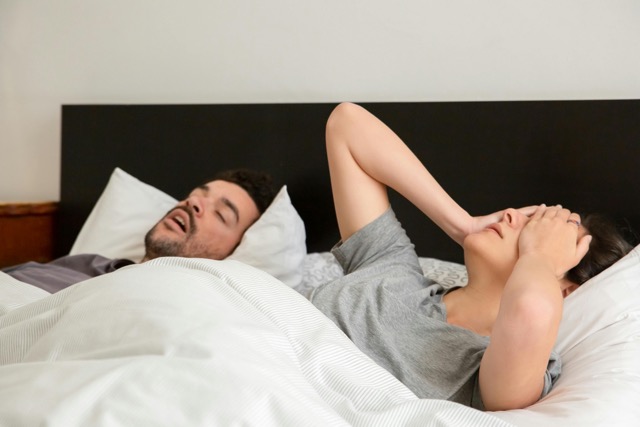
Sleep problems are incredibly common, but it’s not always clear what they mean. Many people find themselves asking questions like, “Do I have a sleep disorder?” or searching for a sleep disorder test to better understand what’s going on.
There are several types of sleep disorders, including:
Understanding the full context of your symptoms can help identify what’s actually disrupting your sleep, so you can get more personalized, targeted treatment that addresses the root of the issue.
This sleep disorder quiz is designed to help you reflect on your symptoms and answer questions like “What sleep disorder do I have?” in a structured, thoughtful way. It’s a simple, low-pressure starting point for understanding your sleep.
A sleep disorder quiz (or sleeping disorder test) can help you recognize patterns that are commonly associated with specific conditions. For many people, taking a free online sleep disorder quiz is the first step toward realizing their sleep issues may go beyond occasional poor sleep and point to a deeper health issue.
You may have even searched for something like a “why can’t I sleep quiz,” which often reflects the same goal of understanding what’s behind ongoing sleep issues. It’s important to know that this quiz is not a diagnostic tool. Results are meant to guide awareness, not confirm a diagnosis.
Many people live with undiagnosed sleep conditions for years because their symptoms are easy to dismiss.
Sleep disorders are conditions that consistently disrupt the quality, timing, or duration of sleep. Over time, they can affect your energy, focus, mood, and overall health.
Below is a quick reference to the conditions this sleep disorder test is designed to screen for.
Insomnia involves difficulty falling asleep, staying asleep, or waking too early, even when you have the opportunity to rest. Over time, this pattern can disrupt your natural sleep cycle and lead to ongoing fatigue, irritability, and difficulty functioning during the day.
Sleep apnea occurs when breathing repeatedly stops and starts during sleep, often without awareness. Because sleep is repeatedly interrupted, the body is unable to reach deeper, restorative stages of sleep, even if you spend enough time in bed.
Restless legs syndrome causes an uncomfortable and automatic urge to move the legs, especially at night. These sensations often worsen at rest and in the evening, making it difficult to fall asleep and stay asleep consistently.
Narcolepsy affects the brain’s ability to regulate sleep and wakefulness, often leading to sudden daytime sleepiness. This can result in overwhelming urges to sleep during the day, even after what seems like a full night of rest.
Sleep disorder symptoms vary, but several signs appear across conditions.
Common symptoms include:
If you’re experiencing these regularly, taking a sleep disorder quiz or sleeping disorder test can help you better understand whether your symptoms follow a recognizable pattern.
A sleep disorder diagnosis starts with a clinical evaluation that looks at your full sleep picture, including your sleep history, symptom patterns, daily habits, and overall health.
Rather than focusing on a single symptom, providers assess how your symptoms show up over time and how they interact. This broader context is what allows them to distinguish between different sleep disorders and understand what is actually driving the issue.
While an online sleep disorder test can be a helpful starting point, it cannot capture the full complexity of your experience. A specialist can translate your symptoms into a clear diagnosis and recommend a personalized treatment plan designed to address the root cause, not just the surface symptoms.
Your results are designed to highlight unique patterns in your symptoms.
They may suggest insomnia, sleep apnea, or general sleep disruption. In some cases, results may reflect a mix of features.
If you came here looking for a “Do I have a sleep disorder quiz”, your results can help point you in the right direction, but they are not a diagnosis. However, they may help guide you closer to a targeted, expert-led treatment plan that will address the core cause of your sleep issues and resolve them for the long term.
Occasional sleep issues are normal, but certain patterns are worth evaluating with a provider.
You may want to seek care if:
If your experience aligns with your sleep disorder quiz results, it may be time to move beyond self-assessment and explore professional care.
If you’ve been searching for answers like “what sleep disorder do I have” or “why can’t I sleep,” you’re not alone.
This free online sleep disorder quiz is a helpful starting point for understanding what may be affecting your sleep.
If your results reflect patterns you’ve been experiencing, the next step is to speak with a specialist who can evaluate your symptoms and guide you toward the right treatment.
These symptoms are not emergencies, but they can be a sign that something more than lifestyle adjustments is affecting your sleep.
If your sleep issues are ongoing or impacting your daily life, consider booking an appointment with a specialist for a personalized evaluation.
Book your evaluation HERE.
Disclaimer: Content on this site does not constitute actual medical advice, diagnosis or treatment. Sign up for the Neura app to consult with an actual doctor.


Neura Health is a comprehensive virtual neurology clinic. Meet with a neurology specialist via video appointment, and get treatment from home.
.png)

.svg)

.png)
.png)
.png)
