


Finally, expert neurology care at your fingertips
Neura Health is a comprehensive virtual neurology clinic. Meet with a neurology specialist via video appointment, and get treatment from home.

.png)
For a college athlete, injury is always a risk factor. But while a torn ligament or a broken bone has a clear recovery timeline, head injuries are a completely different ballgame. Concussions are invisible, unpredictable, and often leave players dealing with a cascade of neurological and mental health symptoms long after the physical impact has passed.
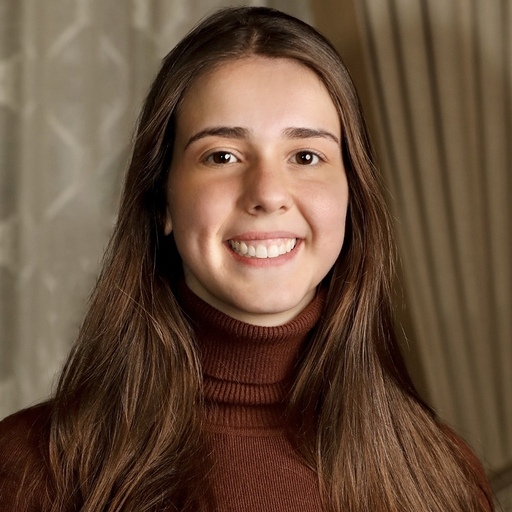
When sophomore college football player Sam Schwartz sustained a concussion on the field, he thought he was in the clear. The initial injury did not seem too serious, and he was able to return to play pretty quickly.
But once the season ended, a second wave of symptoms hit him, leaving him struggling to navigate his schoolwork, his sport, and his daily life. This is Sam’s story of recognizing the hidden toll of post-concussion syndrome and how he found the targeted, specialized care he needed to get his life back on schedule.
In the world of competitive sports, there is an intense pressure to get back on the field. Because Sam’s concussion initially felt manageable, he jumped right back into the game. It was only after the adrenaline of the football season faded that the true damage became apparent.
Sam found himself dealing with post-concussion syndrome, a complex condition where concussion symptoms linger for weeks, months, or even longer. For Sam, it was not just about physical headaches. He began experiencing a series of strange, unsettling neurological symptoms that started to actively disrupt his everyday life.
"A lot of people don't talk about kind of the mental aspect of it," Sam explains. "A lot of the neurological part was something that was affecting my everyday life, just like different, like weird symptoms."
The constant cognitive strain, the weird physical sensations, and the uncertainty of when you will feel normal again can become incredibly overwhelming. Sam knew he could not simply wait it out anymore. He needed a specialist whose primary focus was concussion.
When Sam looked for local care, he found that most general neurologists took a very broad approach, treating everything. He wanted someone whose primary focus was concussion. That search led him to Neura Health, where he was connected with Dr. Mullin, a neurologist who specializes in concussion.
The difference in expertise was immediate. Instead of offering generalized advice, Dr. Mullin was able to rationalize exactly what Sam was experiencing. She helped him understand why these symptoms were happening and gave him tailored strategies to actively address them.
"I found Doctor Mullin that like, purely specializes in concussions, which is really helpful," Sam says. "Because the other one I saw up here was like a much broader like, they dealt with a lot of different things than just concussions. So I felt like Neura Health was more knowledgeable towards that."
The ease of access was also a major turning point. In the traditional medical system, patients routinely wait months just to get an initial consultation with a neurology specialist. Through Neura Health, Sam was able to find the platform, set up his account, and book an official appointment with Dr. Mullin within just four days.
Recovering from a brain injury is rarely a straight line. Some days feel like a major step forward, while other days feel like a regression. To manage this volatile recovery process, Sam relied on a structured partnership with his care team:
As a full-time student and athlete, Sam’s schedule was packed. Coordinating transport, sitting in waiting rooms, and missing classes for doctors' appointments would have added an immense amount of academic stress.
The virtual clinic model allowed Sam to prioritize his brain health without sacrificing his studies. He could finish up his classes for the day, walk back to his dorm room, jump on a video call with his neurologist, and immediately get back to his routine.
"Being able to see online is a lot more convenient than being seen in person," Sam says. "You can get back from class, get in your room, jump on a call, and then be off and doing what you need to do."
The progress Sam made under a dedicated concussion protocol was massive. When he first started with Neura Health, his cognitive and physical functions were severely altered. Today, he has completely closed that gap.
Sam has successfully achieved his target baseline from before the injury. He has been fully cleared for all physical contact and has returned to full athletic activity.
"Now I'm pretty much back to full activity, fully cleared and everything," Sam says. "Which is, when I first started, I was way behind that, so I made a ton of progress."
By stepping outside the standard, generalized healthcare system, he found the precise expertise required to safely reclaim his spot on the field.
If you are a student, athlete, or professional struggling with the lingering aftermath of a head injury, you do not have to wait out the recovery process in isolation. Post-concussion syndrome requires targeted, proactive management.
You deserve to work with specialists who understand the unique complexities of concussions and can map out a clear path to recovery. If you are ready to get back to your baseline, you can connect with a dedicated specialist and book your first appointment with Neura Health here.



Neura Health is a comprehensive virtual neurology clinic. Meet with a neurology specialist via video appointment, and get treatment from home.
.png)

.svg)

.png)
.png)
.png)
